 Image 1 of 1
Swan neck valves: overview, benefits, applications, and selection guide
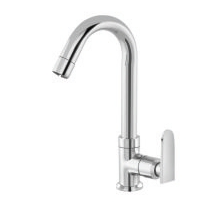
What is a swan neck valve? A swan neck valve is a type of industrial control valve characterized by an extended, curved inlet or outlet pipe—resembling a swan’s neck—that raises the valve inlet above the piping run or process vessel. This geometry helps with fluid entry/exit, prevents backflow of debris or condensate, and accommodates space or elevation constraints while allowing the valve body and actuator to remain accessible for operation and maintenance.
Common designs and configurations
Angle and globe-style bodies: Often used with swan neck inlets to combine flow control with elevation of the inlet connection.
Gate and plug valves: Less common but sometimes fitted with a swan neck when isolation at an elevated inlet is required.
Pneumatic, electric, or manual actuators: Swan necks are compatible with various actuator types; actuator selection depends on duty, control requirements, and environmental constraints.
Flanged, threaded, or welded connections: Connection type is chosen based on pressure class, piping standard, and installation practice.
Key benefits
Prevents accumulation of solids and condensate at the inlet: The raised curve keeps particulate or condensate from pooling into the valve seat, reducing fouling and the risk of malfunction.
Reduces risk of vapor lock and cavitation: In some fluid systems, elevating the inlet helps maintain flow
Swan neck valves: overview, benefits, applications, and selection guide
What is a swan neck valve? A swan neck valve is a type of industrial control valve characterized by an extended, curved inlet or outlet pipe—resembling a swan’s neck—that raises the valve inlet above the piping run or process vessel. This geometry helps with fluid entry/exit, prevents backflow of debris or condensate, and accommodates space or elevation constraints while allowing the valve body and actuator to remain accessible for operation and maintenance.
Common designs and configurations
Angle and globe-style bodies: Often used with swan neck inlets to combine flow control with elevation of the inlet connection.
Gate and plug valves: Less common but sometimes fitted with a swan neck when isolation at an elevated inlet is required.
Pneumatic, electric, or manual actuators: Swan necks are compatible with various actuator types; actuator selection depends on duty, control requirements, and environmental constraints.
Flanged, threaded, or welded connections: Connection type is chosen based on pressure class, piping standard, and installation practice.
Key benefits
Prevents accumulation of solids and condensate at the inlet: The raised curve keeps particulate or condensate from pooling into the valve seat, reducing fouling and the risk of malfunction.
Reduces risk of vapor lock and cavitation: In some fluid systems, elevating the inlet helps maintain flow