 Image 1 of 1
Swan Neck Valves
Swan Neck Valves
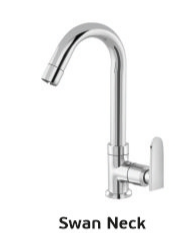
Overview Swan neck valves are specialized control valves distinguished by their curved, elongated inlet or outlet piping that resembles a swan’s neck. This geometry is used to accommodate specific installation constraints, reduce inlet disturbances, enable vertical mounting, or route process connections away from obstructions. They are commonly used in industries such as oil & gas, petrochemical, power generation, and water treatment.
Key Features
Curved inlet/outlet geometry: Reduces flow disruptions and supports installations where straight piping is impractical.
Multiple valve types: Available as gate, globe, ball, needle, or check valves with a swan-neck piping configuration.
Pressure and temperature ratings: Offered across a wide range, from low-pressure systems to high-pressure, high-temperature process lines.
Materials: Carbon steel, stainless steel, duplex/super duplex, nickel alloys, and specialty materials to suit corrosive or high-temperature services.
Actuation options: Manual (handwheel), electric, pneumatic, or hydraulic actuators for remote or automated control.
Seal and packing options: Soft seats, metal seats, reinforced packing, and live-loaded glands for leak prevention and extended service life.
End connections: Flanged, butt-weld, socket-weld, threaded, or specialized flanged designs for retrofit installations.
Applications
Vapor recovery and pressure-relief header routing where inlet elevation or routing must avoid equipment.
Sample collection and instrumentation lines needing elevated or offset take-offs.
Furnace or boiler penetrations where piping must clear insulation, ductwork, or structural members.
Corrosion-prone services using raised routing to minimize contact with drainage or pooled liquids.
Systems requiring vertical line connections while maintaining valve accessibility at a different elevation.
Benefits
Flexible installation: The curved neck adapts to tight plant layouts and
Swan Neck Valves
Overview Swan neck valves are specialized control valves distinguished by their curved, elongated inlet or outlet piping that resembles a swan’s neck. This geometry is used to accommodate specific installation constraints, reduce inlet disturbances, enable vertical mounting, or route process connections away from obstructions. They are commonly used in industries such as oil & gas, petrochemical, power generation, and water treatment.
Key Features
Curved inlet/outlet geometry: Reduces flow disruptions and supports installations where straight piping is impractical.
Multiple valve types: Available as gate, globe, ball, needle, or check valves with a swan-neck piping configuration.
Pressure and temperature ratings: Offered across a wide range, from low-pressure systems to high-pressure, high-temperature process lines.
Materials: Carbon steel, stainless steel, duplex/super duplex, nickel alloys, and specialty materials to suit corrosive or high-temperature services.
Actuation options: Manual (handwheel), electric, pneumatic, or hydraulic actuators for remote or automated control.
Seal and packing options: Soft seats, metal seats, reinforced packing, and live-loaded glands for leak prevention and extended service life.
End connections: Flanged, butt-weld, socket-weld, threaded, or specialized flanged designs for retrofit installations.
Applications
Vapor recovery and pressure-relief header routing where inlet elevation or routing must avoid equipment.
Sample collection and instrumentation lines needing elevated or offset take-offs.
Furnace or boiler penetrations where piping must clear insulation, ductwork, or structural members.
Corrosion-prone services using raised routing to minimize contact with drainage or pooled liquids.
Systems requiring vertical line connections while maintaining valve accessibility at a different elevation.
Benefits
Flexible installation: The curved neck adapts to tight plant layouts and avoids interference with other equipment.
Reduced inlet turbulence:
Swan Neck Valves
Overview Swan neck valves are specialized control valves distinguished by their curved, elongated inlet or outlet piping that resembles a swan’s neck. This geometry is used to accommodate specific installation constraints, reduce inlet disturbances, enable vertical mounting, or route process connections away from obstructions. They are commonly used in industries such as oil & gas, petrochemical, power generation, and water treatment.
Key Features
Curved inlet/outlet geometry: Reduces flow disruptions and supports installations where straight piping is impractical.
Multiple valve types: Available as gate, globe, ball, needle, or check valves with a swan-neck piping configuration.
Pressure and temperature ratings: Offered across a wide range, from low-pressure systems to high-pressure, high-temperature process lines.
Materials: Carbon steel, stainless steel, duplex/super duplex, nickel alloys, and specialty materials to suit corrosive or high-temperature services.
Actuation options: Manual (handwheel), electric, pneumatic, or hydraulic actuators for remote or automated control.
Seal and packing options: Soft seats, metal seats, reinforced packing, and live-loaded glands for leak prevention and extended service life.
End connections: Flanged, butt-weld, socket-weld, threaded, or specialized flanged designs for retrofit installations.
Applications
Vapor recovery and pressure-relief header routing where inlet elevation or routing must avoid equipment.
Sample collection and instrumentation lines needing elevated or offset take-offs.
Furnace or boiler penetrations where piping must clear insulation, ductwork, or structural members.
Corrosion-prone services using raised routing to minimize contact with drainage or pooled liquids.
Systems requiring vertical line connections while maintaining valve accessibility at a different elevation.
Benefits
Flexible installation: The curved neck adapts to tight plant layouts and
Swan Neck Valves
Overview Swan neck valves are specialized control valves distinguished by their curved, elongated inlet or outlet piping that resembles a swan’s neck. This geometry is used to accommodate specific installation constraints, reduce inlet disturbances, enable vertical mounting, or route process connections away from obstructions. They are commonly used in industries such as oil & gas, petrochemical, power generation, and water treatment.
Key Features
Curved inlet/outlet geometry: Reduces flow disruptions and supports installations where straight piping is impractical.
Multiple valve types: Available as gate, globe, ball, needle, or check valves with a swan-neck piping configuration.
Pressure and temperature ratings: Offered across a wide range, from low-pressure systems to high-pressure, high-temperature process lines.
Materials: Carbon steel, stainless steel, duplex/super duplex, nickel alloys, and specialty materials to suit corrosive or high-temperature services.
Actuation options: Manual (handwheel), electric, pneumatic, or hydraulic actuators for remote or automated control.
Seal and packing options: Soft seats, metal seats, reinforced packing, and live-loaded glands for leak prevention and extended service life.
End connections: Flanged, butt-weld, socket-weld, threaded, or specialized flanged designs for retrofit installations.
Applications
Vapor recovery and pressure-relief header routing where inlet elevation or routing must avoid equipment.
Sample collection and instrumentation lines needing elevated or offset take-offs.
Furnace or boiler penetrations where piping must clear insulation, ductwork, or structural members.
Corrosion-prone services using raised routing to minimize contact with drainage or pooled liquids.
Systems requiring vertical line connections while maintaining valve accessibility at a different elevation.
Benefits
Flexible installation: The curved neck adapts to tight plant layouts and avoids interference with other equipment.
Reduced inlet turbulence: