 Image 1 of 1
Sink Cock
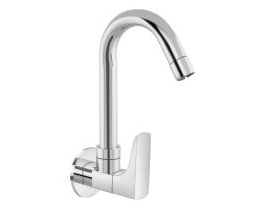
A sink cock (also called a sink faucet or basin mixer) is the valve assembly that controls water flow and temperature at a sink. It’s the component you turn, lift, or move to start water, adjust pressure, and mix hot and cold water for handwashing, dishwashing, or other sink tasks.
Common types
Single-handle mixer: One lever controls both flow and temperature. Easy to use and space-saving.
Dual-handle faucet: Separate hot and cold handles for independent adjustment. Traditional look and precise control.
Wall-mounted faucet: Installed on the wall above the sink, freeing up counter space and allowing deeper basins.
Pull-out/pull-down spray: Spout includes a retractable spray head for flexible rinsing (often used in kitchen sinks).
Motion-sensor (touchless): Activated by infrared sensors, minimizing touch and improving hygiene.
Key features to consider
Material and finish: Brass bodies are durable; common finishes include chrome, brushed nickel, stainless steel, and matte black. Choose a finish that resists corrosion and matches other fixtures.
Spout height and reach: Higher spouts allow filling tall vessels and provide more workspace; reach affects where water lands in the basin.
Cartridge type: Ceramic disc cartridges are long-lasting and drip-resistant; compression cartridges are less expensive but wear faster.
Mounting holes: Check sink or countertop hole configuration (single-hole, centerset, widespread) before purchasing.
Flow rate and water efficiency: Look for low-flow options or aerators to reduce water use without sacrificing performance.
Installation and maintenance: Consider ease of installation (deck-mounted vs. wall-mounted) and access to replacement cartridges or seals for repairs.
Certifications: WaterSense or similar labels indicate water efficiency; NSF/ANSI certifications address potable-water safety.
Common issues and fixes
Dripping: Often caused by worn seals or cartridges—replace cartridge or O-rings.
Low flow: Check aerator for debris or mineral buildup; clean or replace as needed.
Stiff handle: Mineral buildup or corrosion around the cartridge—clean, lubricate, or replace cartridge.
Leaks under sink: Check supply line connections and tighten or replace faulty hoses or fittings.
Buying tips
Match the faucet style and finish to other bathroom/kitchen fixtures.
Confirm sink or counter mounting configuration and hole spacing.
Choose a reliable brand with good warranty and access to replacement parts.
Consider ease of cleaning (fewer crevices) and finish durability for high-use areas.
Basic maintenance checklist
Wipe finish regularly with a soft cloth; avoid abrasive cleaners.
Clean aerator every few months to prevent mineral buildup.
Inspect supply lines and connections annually.
Replace cartridges or seals promptly if leaks begin.
A well-chosen sink cock improves usability, saves water, and complements your sink area’s look.
Sink Cock
A sink cock (also called a sink faucet or basin mixer) is the valve assembly that controls water flow and temperature at a sink. It’s the component you turn, lift, or move to start water, adjust pressure, and mix hot and cold water for handwashing, dishwashing, or other sink tasks.
Common types
Single-handle mixer: One lever controls both flow and temperature. Easy to use and space-saving.
Dual-handle faucet: Separate hot and cold handles for independent adjustment. Traditional look and precise control.
Wall-mounted faucet: Installed on the wall above the sink, freeing up counter space and allowing deeper basins.
Pull-out/pull-down spray: Spout includes a retractable spray head for flexible rinsing (often used in kitchen sinks).
Motion-sensor (touchless): Activated by infrared sensors, minimizing touch and improving hygiene.
Key features to consider
Material and finish: Brass bodies are durable; common finishes include chrome, brushed nickel, stainless steel, and matte black. Choose a finish that resists corrosion and matches other fixtures.
Spout height and reach: Higher spouts allow filling tall vessels and provide more workspace; reach affects where water lands in the basin.
Cartridge type: Ceramic disc cartridges are long-lasting and drip-resistant; compression cartridges are less expensive but wear faster.
Mounting holes: Check sink or countertop hole configuration (single-hole, centerset, widespread) before purchasing.
Flow rate and water efficiency: Look for low-flow options or aerators to reduce water use without sacrificing performance.
Installation and maintenance: Consider ease of installation (deck-mounted vs. wall-mounted) and access to replacement cartridges or seals for repairs.
Certifications: WaterSense or similar labels indicate water efficiency; NSF/ANSI certifications address potable-water safety.
Common issues and fixes
Dripping: Often caused by worn seals or cartridges—replace cartridge or O-rings.
Low flow: Check aerator for debris or mineral buildup; clean or replace as needed.
Stiff handle: Mineral buildup or corrosion around the cartridge—clean, lubricate, or replace cartridge.
Leaks under sink: Check supply line connections and tighten or replace faulty hoses or fittings.
Buying tips
Match the faucet style and finish to other bathroom/kitchen fixtures.
Confirm sink or counter mounting configuration and hole spacing.
Choose a reliable brand with good warranty and access to replacement parts.
Consider ease of cleaning (fewer crevices) and finish durability for high-use areas.
Basic maintenance checklist
Wipe finish regularly with a soft cloth; avoid abrasive cleaners.
Clean aerator every few months to prevent mineral buildup.
Inspect supply lines and connections annually.
Replace cartridges or seals promptly if leaks begin.
A well-chosen sink cock improves usability, saves water, and complements your sink area’s look.