 Image 1 of 1
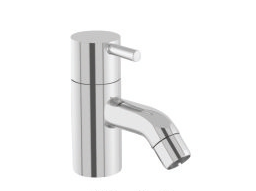
Pillar cock bathroom
If you mean a "pillar cock" bathroom fixture (often called a pillar tap or pillar faucet) for a bathroom sink or basin, here’s a concise guide to help you choose, install, and maintain one.
What a pillar tap is
A pillar tap is a single-function faucet mounted on the sink or basin. Bathrooms commonly use a pair of pillar taps — one for hot water and one for cold — though single-lever and mixer options exist.
Pillar taps are typically simple in design, offered in traditional and modern styles, and work with straightforward valve mechanisms (washer, ceramic disc, or cartridge).
Choosing the right pillar tap
Size and fit: Check the hole diameter and deck thickness of your basin. Most pillar taps require a standard 1/2-inch or 3/8-inch connection; verify the spec.
Flow and pressure: Confirm the tap’s flow rate and minimum operating pressure to ensure compatibility with your water system.
Finish and style: Chrome is common for durability and easy cleaning; brushed nickel, matte black, and brass finishes are popular for contemporary looks.
Valve type: Ceramic disc valves last longer and resist leaks better than rubber washer types.
Compliance: Choose taps that meet local plumbing codes and water-efficiency standards (look for flow restrictors if needed).
Installation basics
Shut off water supply before starting.
Remove old tap and clean mounting surface.
Insert new tap through the basin mounting hole, secure with provided washers and nuts underneath.
Connect hot and cold supply lines to the appropriate inlet pipes using compression fittings or flexible hoses.
Turn on supply, check for leaks, and test operation. Tighten connections if necessary.
Maintenance tips
Regularly clean with mild detergent and a soft cloth; avoid abrasive pads or harsh chemicals that can damage the finish.
If flow decreases, check and clean the aerator screen.
For drips, inspect the valve cartridge or washers and replace if worn.
Protect finishes by wiping dry after use when possible to prevent water spots or mineral buildup.
When to call a professional
If supply lines are corroded or difficult to access.
If you need to change the type of tap (e.g., from pillar taps to a mixer) which may require new plumbing.
If leaks persist after installing or replacing parts.
If you’d like, tell me the basin model, hole size, and preferred finish, and I can recommend specific styles or parts suitable for your bathroom.
Pillar cock bathroom
If you mean a "pillar cock" bathroom fixture (often called a pillar tap or pillar faucet) for a bathroom sink or basin, here’s a concise guide to help you choose, install, and maintain one.
What a pillar tap is
A pillar tap is a single-function faucet mounted on the sink or basin. Bathrooms commonly use a pair of pillar taps — one for hot water and one for cold — though single-lever and mixer options exist.
Pillar taps are typically simple in design, offered in traditional and modern styles, and work with straightforward valve mechanisms (washer, ceramic disc, or cartridge).
Choosing the right pillar tap
Size and fit: Check the hole diameter and deck thickness of your basin. Most pillar taps require a standard 1/2-inch or 3/8-inch connection; verify the spec.
Flow and pressure: Confirm the tap’s flow rate and minimum operating pressure to ensure compatibility with your water system.
Finish and style: Chrome is common for durability and easy cleaning; brushed nickel, matte black, and brass finishes are popular for contemporary looks.
Valve type: Ceramic disc valves last longer and resist leaks better than rubber washer types.
Compliance: Choose taps that meet local plumbing codes and water-efficiency standards (look for flow restrictors if needed).
Installation basics
Shut off water supply before starting.
Remove old tap and clean mounting surface.
Insert new tap through the basin mounting hole, secure with provided washers and nuts underneath.
Connect hot and cold supply lines to the appropriate inlet pipes using compression fittings or flexible hoses.
Turn on supply, check for leaks, and test operation. Tighten connections if necessary.
Maintenance tips
Regularly clean with mild detergent and a soft cloth; avoid abrasive pads or harsh chemicals that can damage the finish.
If flow decreases, check and clean the aerator screen.
For drips, inspect the valve cartridge or washers and replace if worn.
Protect finishes by wiping dry after use when possible to prevent water spots or mineral buildup.
When to call a professional
If supply lines are corroded or difficult to access.
If you need to change the type of tap (e.g., from pillar taps to a mixer) which may require new plumbing.
If leaks persist after installing or replacing parts.
If you’d like, tell me the basin model, hole size, and preferred finish, and I can recommend specific styles or parts suitable for your bathroom.