 Image 1 of 1
HIgh Pillar Cock Valves
High Pillar Cock Valves
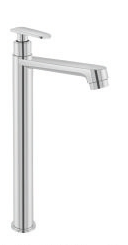
Overview High pillar cock valves are compact, robust shut-off valves designed for quick manual control of fluid flow in pipelines and instrumentation systems. Their high pillar (extended stem) design provides elevated handle reach, making them ideal where insulation, cladding, or obstructions cover the valve body or when frequent operation is required without accessing the pipe surface directly.
Key Features
Extended stem (high pillar) for easy operation through insulation or paneling
Quarter-turn (90°) operation for quick open/close action
Precision-machined plug and seat for reliable leak-tight shutoff
Compact body suitable for limited-space installations
Available in multiple end connections: threaded (NPT/BSP), compression, flared, or brazed/soldered
Materials: brass, stainless steel (304/316), carbon steel, or special alloys for corrosive environments
PTFE, PTFE-filled, Pesp, or other soft-seated options for low-torque and bubble-tight sealing
PTFE packing or graphite for high-temperature applications
Optional blowout-proof stem and lockable handle for safety and maintenance
Low torque suitable for manual or actuator mounting
Applications
Instrumentation and control lines (pressure gauges, transmitters, sample lines)
HVAC systems where piping is insulated or clad
Chemical and petrochemical process lines requiring isolation in tight spaces
Steam, air, gas, and liquid service (selection depends on material and seat)
Laboratory and test rigs with frequent valve operation
Marine and offshore installations where deck or insulation coverage necessitates extended stems
Selection Considerations
Compatibility: Match valve body and internal material to media (corrosion, abrasive, temperature)
Pressure and Temperature Ratings: Choose valve class and seat material rated for system maximums
End Connection: Select correct connection type for easy installation and leak-free joints
Stem Length: Confirm required pillar height to reach handle through insulation or cladding; ensure stem sealing method suits application
Seal/Packing Type: Use PTFE for general service, graphite for high temperature, or specialized compounds for aggressive chemicals
Actuation: For frequent or remote operation consider mounting a small pneumatic/electric actuator or extended lever
Standards and Certifications: Verify compliance with relevant industry standards (material traceability, pressure ratings, testing) where required
Maintenance Tips
Cycle periodically to prevent sticking in infrequent-use applications
Inspect and replace packing if leakage is detected; follow recommended torque for gland nuts
For soft seats, avoid cavitation and excessive pressure drop that can damage sealing surfaces
Clean debris from end connections before installation to prevent seat damage
Use compatible lubricants on threads and packing; avoid lubricants that degrade seat materials
Typical Specifications (example ranges)
Size: 1/8" to 1" for instrumentation;
High Pillar Cock Valves
Overview High pillar cock valves are compact, robust shut-off valves designed for quick manual control of fluid flow in pipelines and instrumentation systems. Their high pillar (extended stem) design provides elevated handle reach, making them ideal where insulation, cladding, or obstructions cover the valve body or when frequent operation is required without accessing the pipe surface directly.
Key Features
Extended stem (high pillar) for easy operation through insulation or paneling
Quarter-turn (90°) operation for quick open/close action
Precision-machined plug and seat for reliable leak-tight shutoff
Compact body suitable for limited-space installations
Available in multiple end connections: threaded (NPT/BSP), compression, flared, or brazed/soldered
Materials: brass, stainless steel (304/316), carbon steel, or special alloys for corrosive environments
PTFE, PTFE-filled, Pesp, or other soft-seated options for low-torque and bubble-tight sealing
PTFE packing or graphite for high-temperature applications
Optional blowout-proof stem and lockable handle for safety and maintenance
Low torque suitable for manual or actuator mounting
Applications
Instrumentation and control lines (pressure gauges, transmitters, sample lines)
HVAC systems where piping is insulated or clad
Chemical and petrochemical process lines requiring isolation in tight spaces
Steam, air, gas, and liquid service (selection depends on material and seat)
Laboratory and test rigs with frequent valve operation
Marine and offshore installations where deck or insulation coverage necessitates extended stems
Selection Considerations
Compatibility: Match valve body and internal material to media (corrosion, abrasive, temperature)
Pressure and Temperature Ratings: Choose valve class and seat material rated for system maximums
End Connection: Select correct connection type for easy installation and leak-free joints
Stem Length: Confirm required pillar height to reach handle through insulation or cladding; ensure stem sealing method suits application
Seal/Packing Type: Use PTFE for general service, graphite for high temperature, or specialized compounds for aggressive chemicals
Actuation: For frequent or remote operation consider mounting a small pneumatic/electric actuator or extended lever
Standards and Certifications: Verify compliance with relevant industry standards (material traceability, pressure ratings, testing) where required
Maintenance Tips
Cycle periodically to prevent sticking in infrequent-use applications
Inspect and replace packing if leakage is detected; follow recommended torque for gland nuts
For soft seats, avoid cavitation and excessive pressure drop that can damage sealing surfaces
Clean debris from end connections before installation to prevent seat damage
Use compatible lubricants on threads and packing; avoid lubricants that degrade seat materials
Typical Specifications (example ranges)
Size: 1/8" to 1" for instrumentation;