 Image 1 of 1
Flush Valve
Flush Valve
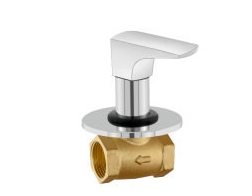
Description A flush valve is the essential mechanism that controls water release from a tank or plumbing fixture to the drain—commonly found in toilets, urinals, and commercial flushometer systems. It ensures rapid, controlled discharge to clear waste and refill the system for the next use. Modern flush valves are engineered for reliability, water efficiency, and quiet operation.
Key Features
Durable construction: brass, stainless steel, or high-performance polymers for corrosion resistance and long service life.
Water-saving options: dual-flush or adjustable-volume models to reduce water consumption and meet efficiency standards.
Smooth, reliable actuation: lever, sensor, pneumatic, or push-button operation for consistent performance in residential and commercial settings.
Service-friendly design: replaceable seals, seats, and diaphragms for easy maintenance without full unit replacement.
Vandal-resistant options: tamper-proof hardware and concealed fasteners for high-traffic public restrooms.
Quiet operation: engineered flow paths and damping to minimize noise during discharge.
Types
Tank-mounted flapper/flush valve: common in residential toilets; uses a flapper or canister to release a tankful of water.
Flushometer valve (exposed): widely used in commercial restrooms; mounts directly to the supply line for rapid flushes without a tank.
Dual-flush valve: allows choice between partial and full flush to conserve water.
Sensor-operated flush valve: touchless activation for hygiene and ADA-compliant installations.
Pressure-assisted flush valve: uses pressurized air to boost flushing performance and reduce clogging.
Benefits
Efficient waste removal: designed to deliver the right volume and velocity to clear the trapway and minimize clogs.
Water conservation: models designed to meet or exceed regulatory standards lower utility costs and environmental impact.
Low maintenance: robust materials and easy-to-replace seals reduce downtime and service costs.
Versatility: available for new construction, retrofit, residential, and heavy commercial use.
Improved hygiene: touchless and hands-free options reduce germ transmission in public restrooms.
Installation & Maintenance Tips
Match inlet size, pressure range, and fixture type for proper operation.
For sensor valves, verify compatible power source (battery or hardwired) and adjust sensitivity and timing settings during commissioning.
Replace worn rubber seals and diaphragms periodically—typical service intervals vary with water quality and usage.
Inspect for leaks and mineral buildup; clean or replace internal parts if performance degrades.
Follow manufacturer torque specifications on fasteners to avoid damaging components or causing leaks.
Specifications to Consider
Connection size (e.g., 1/2", 3/4", 1", or as specified)
Supply pressure range (psi or bar)
Flow volume per flush (gallons per flush or liters per flush)
Material and finish
Activation method (manual, sensor, pneumatic)
Compliance certifications (e.g., WaterSense, ADA, ASME)
Applications
Residential toilets and bidets
Commercial restrooms (offices, airports, malls, stadiums)
Healthcare and educational facilities
Industrial sites and manufacturing plants
Retrofit projects to improve water efficiency
Choosing the Right Flush Valve Select a valve based on fixture compatibility, expected traffic levels, local water pressure, and desired water savings. For high-traffic public restrooms, opt for commercial flushometer valves with vandal-resistant features and sensor operation. For homes, choose tank-mounted or dual-flush options prioritizing quiet performance and water efficiency.
Sangam India RK Private Limited offers a range of flush valves engineered for durability, performance, and easy serviceability—suitable for residential and commercial projects where reliability and water efficiency matter. For specifications, models, or installation guidance, consult product documentation or our technical support team.
Flush Valve
Description A flush valve is the essential mechanism that controls water release from a tank or plumbing fixture to the drain—commonly found in toilets, urinals, and commercial flushometer systems. It ensures rapid, controlled discharge to clear waste and refill the system for the next use. Modern flush valves are engineered for reliability, water efficiency, and quiet operation.
Key Features
Durable construction: brass, stainless steel, or high-performance polymers for corrosion resistance and long service life.
Water-saving options: dual-flush or adjustable-volume models to reduce water consumption and meet efficiency standards.
Smooth, reliable actuation: lever, sensor, pneumatic, or push-button operation for consistent performance in residential and commercial settings.
Service-friendly design: replaceable seals, seats, and diaphragms for easy maintenance without full unit replacement.
Vandal-resistant options: tamper-proof hardware and concealed fasteners for high-traffic public restrooms.
Quiet operation: engineered flow paths and damping to minimize noise during discharge.
Types
Tank-mounted flapper/flush valve: common in residential toilets; uses a flapper or canister to release a tankful of water.
Flushometer valve (exposed): widely used in commercial restrooms; mounts directly to the supply line for rapid flushes without a tank.
Dual-flush valve: allows choice between partial and full flush to conserve water.
Sensor-operated flush valve: touchless activation for hygiene and ADA-compliant installations.
Pressure-assisted flush valve: uses pressurized air to boost flushing performance and reduce clogging.
Benefits
Efficient waste removal: designed to deliver the right volume and velocity to clear the trapway and minimize clogs.
Water conservation: models designed to meet or exceed regulatory standards lower utility costs and environmental impact.
Low maintenance: robust materials and easy-to-replace seals reduce downtime and service costs.
Versatility: available for new construction, retrofit, residential, and heavy commercial use.
Improved hygiene: touchless and hands-free options reduce germ transmission in public restrooms.
Installation & Maintenance Tips
Match inlet size, pressure range, and fixture type for proper operation.
For sensor valves, verify compatible power source (battery or hardwired) and adjust sensitivity and timing settings during commissioning.
Replace worn rubber seals and diaphragms periodically—typical service intervals vary with water quality and usage.
Inspect for leaks and mineral buildup; clean or replace internal parts if performance degrades.
Follow manufacturer torque specifications on fasteners to avoid damaging components or causing leaks.
Specifications to Consider
Connection size (e.g., 1/2", 3/4", 1", or as specified)
Supply pressure range (psi or bar)
Flow volume per flush (gallons per flush or liters per flush)
Material and finish
Activation method (manual, sensor, pneumatic)
Compliance certifications (e.g., WaterSense, ADA, ASME)
Applications
Residential toilets and bidets
Commercial restrooms (offices, airports, malls, stadiums)
Healthcare and educational facilities
Industrial sites and manufacturing plants
Retrofit projects to improve water efficiency
Choosing the Right Flush Valve Select a valve based on fixture compatibility, expected traffic levels, local water pressure, and desired water savings. For high-traffic public restrooms, opt for commercial flushometer valves with vandal-resistant features and sensor operation. For homes, choose tank-mounted or dual-flush options prioritizing quiet performance and water efficiency.
Sangam India RK Private Limited offers a range of flush valves engineered for durability, performance, and easy serviceability—suitable for residential and commercial projects where reliability and water efficiency matter. For specifications, models, or installation guidance, consult product documentation or our technical support team.